
The complete guide
Choosing a First Aid Kit for Home and Travel
Keeping first aid supplies in different drawers can make them hard to find and easy to forget. A plaster may be in one room, while bandages are tucked into a travel bag from last year. Even when you own useful supplies, it can be difficult to know what is still available.
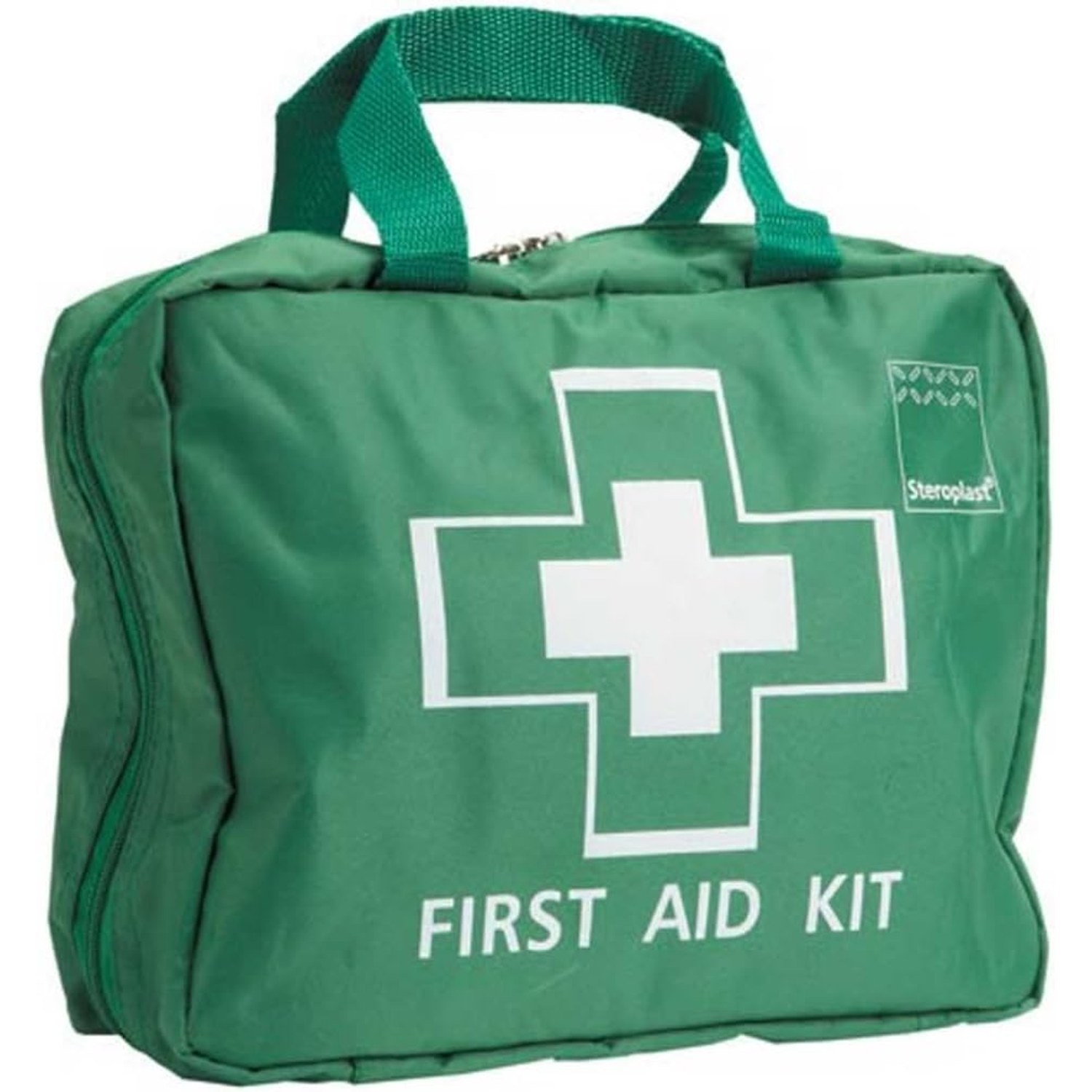
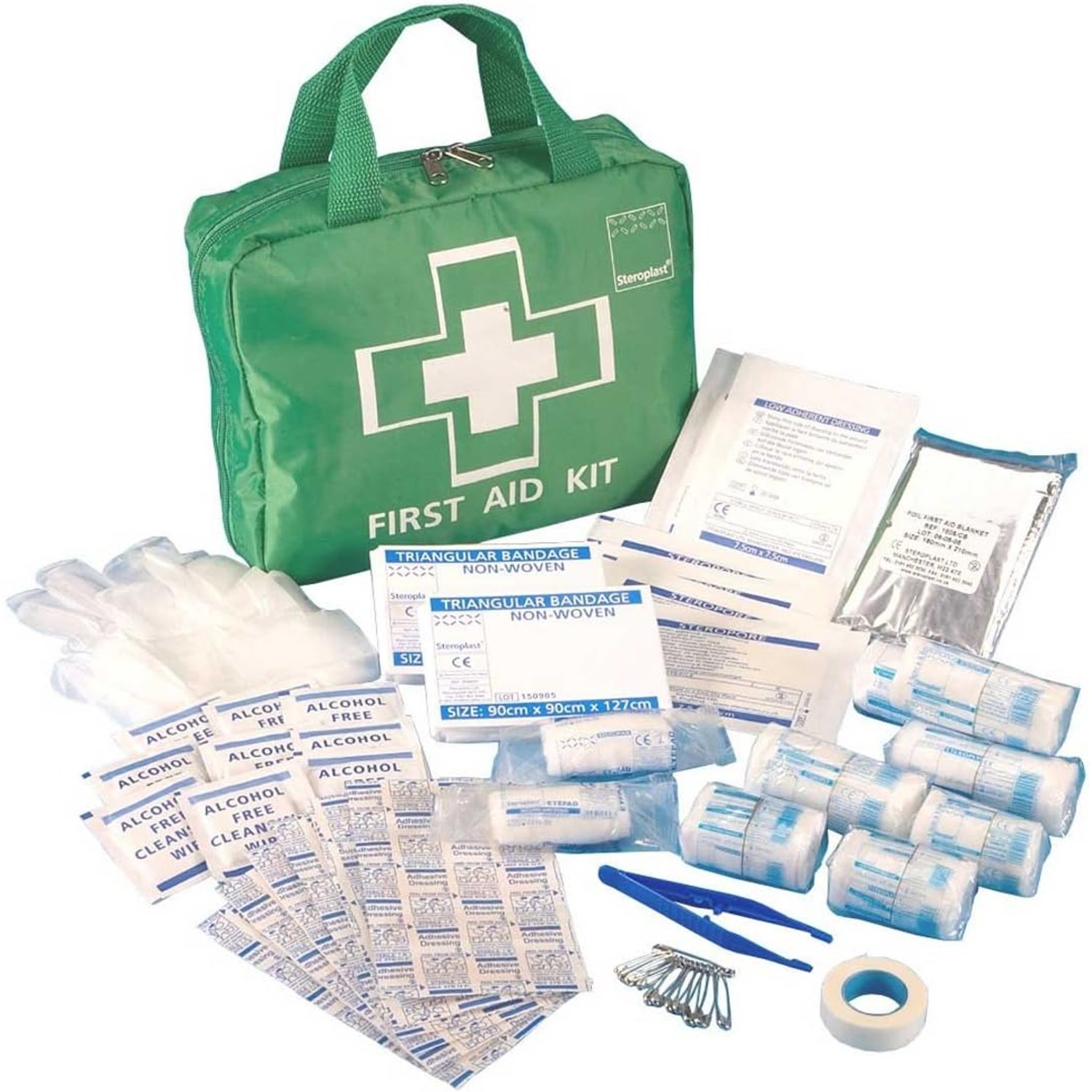
A dedicated bag gives those items a shared home. The Steroplast 70-Piece First Aid Kit brings a range of supplies together in a green nylon fold-up bag with zipped see-through compartments. It is intended for home and travel.
The useful question is not simply how many pieces appear in the name. It is whether the listed contents and storage style fit your plans, and whether you can keep the kit checked and replenished. This guide helps you make that decision without treating one bag as an answer to every emergency.
Start with the job you want the kit to do
A home first aid kit is easier to choose when you know where it will live and who will be responsible for it. You might want one place for household first aid supplies, or a bag that comes out when you prepare for a trip.
Think about your current arrangement. Are supplies spread between cupboards? Do you already have a kit but rarely check it? Buying another bag will not solve those habits on its own. Decide how you will store and review the contents as part of the purchase.
This kit has home and travel as its stated uses. That does not establish suitability for every activity, workplace or destination. Start with those intended uses, then compare the listed supplies with any more specific needs you have.
How the fold-up storage works
The bag folds up and contains zipped see-through compartments. That gives you a way to keep the included items together while still seeing where supplies are stored.
An organised first aid bag can also make routine checks less of a chore. Rather than emptying a drawer, you can work through the compartments and look for gaps, damaged packaging or items approaching their expiry dates. You still need to inspect the items themselves, not just glance through the bag.
No dimensions or weight are specified in the product information. If the kit must fit a particular cupboard, suitcase pocket or storage box, confirm measurements before buying. The fold-up design alone does not tell you how much space the filled bag takes up.
Understand the listed contents
A partial contents summary includes conforming and triangular bandages, microporous tape, low-adherent pads, wound dressings, saline wipes and plasters. Gloves, safety pins, scissors, tweezers and eye pads are also listed.
The kit includes instant cold packs and a foil blanket as well. Those details may matter if you are comparing a first aid kit with cold packs against a bag that contains only dressing supplies.
This is a partial summary, not a counted packing list. It does not give exact quantities for each item, dimensions for individual dressings or full material details. If a particular item specification matters to your choice, confirm it before placing an order.
The contents list is for choosing and checking the product. It is not a set of medical instructions. Read the information supplied with individual items and do not use a product page as a substitute for training or professional care.
Put the piece count in context
This is a 70-piece kit containing a mix of first-aid supplies. The count includes repeat items, such as plasters and bandages, rather than 70 different types of equipment.
A piece count also cannot tell you how many people a kit will serve or how many incidents it will cover. Different situations call for different supplies, and individual items may be used at different rates.
When comparing a first aid dressing kit with other options, look at the kinds of supplies listed and the information available about them. A larger number in a title is not enough to show that a kit is the better fit. Clear storage and a workable replenishment routine matter too.
Choosing a family first aid bag
For shared household use, agree on a place for the bag and tell responsible adults where it is. A familiar location is more useful than a tidy-looking storage spot that nobody remembers.
Keep the kit away from children, and consider who will check it. One person can take responsibility for reviewing dates, while anyone who removes an item can make a note that it needs replacing.
No supported household size is specified for this kit. Avoid assuming that a family first aid bag automatically contains enough for every member or every need. Review personal requirements separately, particularly where someone already has advice or supplies specific to them.
The aim is a clear, maintained collection of supplies, not a bag that is put away and never opened again.
Taking the kit travelling
When choosing a travel first aid kit, think about the journey as well as the destination. The Steroplast bag is intended for travel, but that does not mean every included item is accepted in every form of luggage.
Scissors are listed among the contents. Check airline, airport and other carrier restrictions before packing, and confirm destination rules where needed. Do not assume that a first aid label overrides those rules.
Review the bag before each trip rather than relying on the last time you checked it. Supplies may have been used at home, packaging may have been damaged, or expiry dates may have passed since your previous holiday.
If you are looking for a first aid kit for holidays, also allow time for delivery and for your own checks. Estimated delivery for this product is 1–2 weeks from ordering, so it is not a sensible purchase to leave until departure day.
Know what the kit does not provide
This is a specific first aid kit, not complete disaster survival provision. Food, drinking water and a water filter are not claimed as contents. No survival duration or supported number of people is stated.
Medicines are not claimed either. Do not assume that buying this bag replaces separate planning for personal medication or other individual requirements.
There is no claim of NHS endorsement, certification or universal workplace compliance. If you are choosing supplies for a workplace, check the relevant requirements rather than judging compliance from the product name.
A first aid kit with a foil blanket may form one part of your family emergency supplies, but it is still only one part. Keep the boundaries of the product clear when making wider plans.
Storage and regular checks
Choose a dry storage place and follow the information on individual items. Keep sealed supplies protected, and avoid treating the bag as loose storage for unrelated objects.
Set a routine that you can keep. A check before travel, after use and at regular intervals is more useful than an ambitious plan that is soon forgotten. Look at sealed dressings and expiry dates, not just whether the compartments appear full.
There is no guaranteed remaining shelf life stated for this kit. When it arrives, take time to inspect the packaging and dates so you know what you have received.
No specific washing method is provided for the nylon first aid bag. Follow any care information supplied with it rather than guessing that it can be machine washed or soaked. Protect the contents from moisture during any care or cleaning.
Make replenishment part of ownership
First aid kit replenishment starts as soon as an item is used, expired or no longer in suitable condition. A bag can look well stocked while missing the item you expect to find.
Keep a short record of replacements needed. This can be a note stored separately or a reminder in the place where you plan household purchases. The method matters less than making sure missing supplies are not forgotten.
Check replacement details against the original item and your needs. the product information does not specify every size or material, so the product title alone is not enough to choose all future replacements.
After checking the kit, return items to a consistent place. The see-through compartments are most useful when the layout remains familiar.
Delivery, gifting and deciding before you buy
Estimated delivery is 1–2 weeks from ordering. Delivery costs £19, with free delivery on goods totals of £75 or more after discounts. Include the delivery charge when comparing the total cost of your order.
The kit could be a practical gift for someone setting up a home or preparing for travel. It is worth explaining that the contents need checking and replacing over time. A useful gift should not create a false impression that all future needs are covered.
If fit, weight or a particular supply specification is central to your decision, confirm that information first. Those details are not fully specified here. There are 14-day cancellation rights, subject to the policy, so read the applicable conditions before ordering.
The short version
The Steroplast 70-Piece First Aid Kit brings a range of home and travel supplies together in a green nylon fold-up bag. Zipped see-through compartments help with organisation and checking.
Choose it by comparing the listed contents with your needs, not by relying on the piece count alone. Keep it dry, inspect sealed dressings and expiry dates, and replace used or expired items. Treat it as a maintained first aid kit, not complete disaster provision or a substitute for training and medical care.