
The complete guide
Choosing a Car and Travel First Aid Kit
A first-aid kit is easy to forget until you start packing for a journey. Loose supplies can end up in different bags, and an old kit may contain gaps you have not noticed. Keeping a dedicated case is a practical way to bring those items together, provided you also check what is inside.
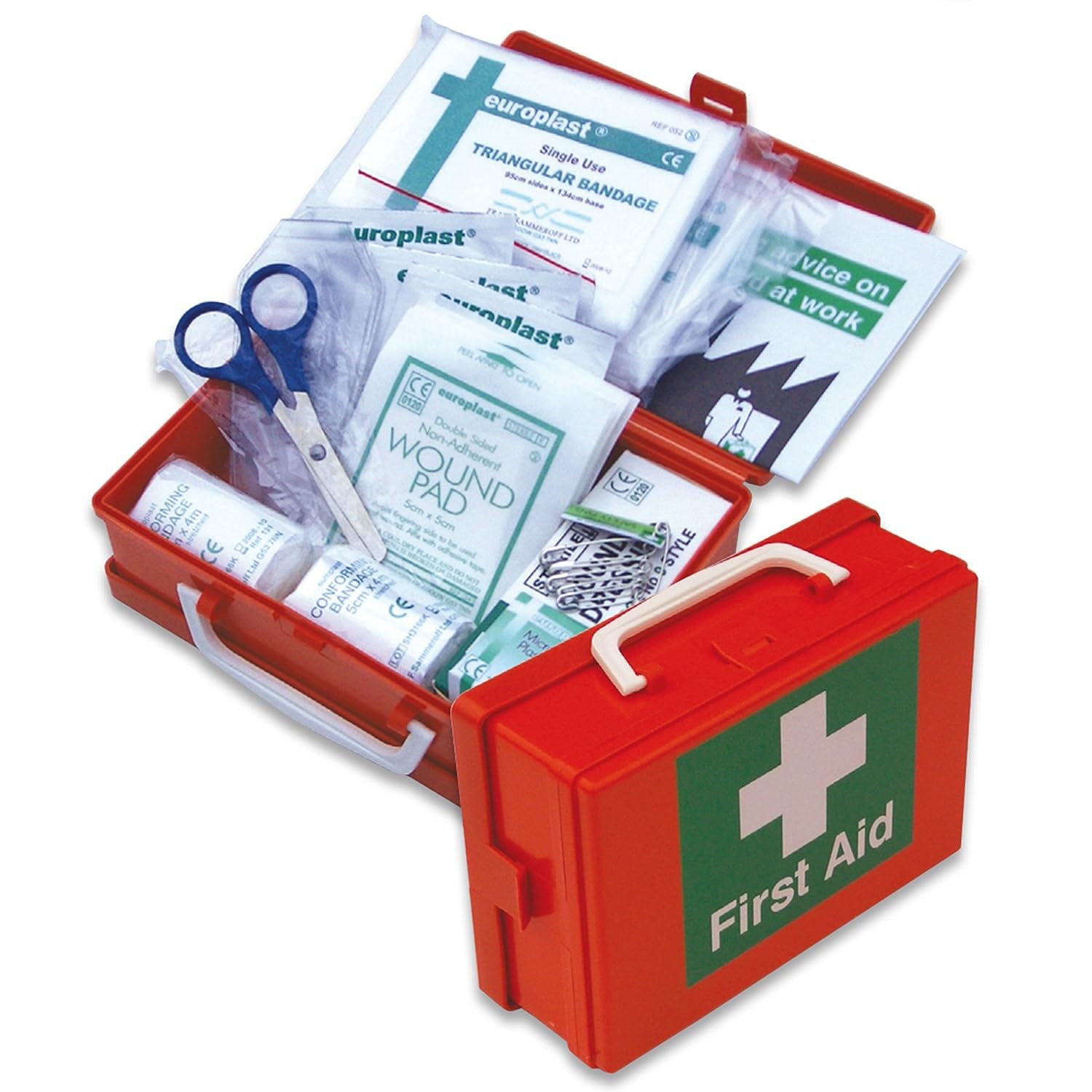
The Steroplast 48-Piece First Aid Kit, Orange Case is intended for car and travel use. It comes stocked in a sturdy orange plastic case. Choosing it well means looking beyond the piece count, understanding the confirmed contents and making time for simple checks before you leave.
What this kit offers
This is a 48-piece kit with product reference 8160-C5. The confirmed supply types are bandages, plasters, dressings and disposable gloves, with a first-aid guidance leaflet also included.
That is a partial contents summary, not a full inventory. It does not tell you the number of each item, the sizes of individual supplies or every item in the case. Those limits matter when comparing one stocked first aid case with another.
Think of the kit as a defined set of car and travel first-aid supplies. It is not a promise that every possible need has been covered. Its usefulness depends on whether the contents match your plans and whether those contents remain in suitable condition.
Why a dedicated case helps
The basic purpose of a portable first aid box is to keep supplies together. Having a set place for them can make it easier to check what you own before a trip and notice what needs replacing afterwards.
The sturdy orange plastic case provides that dedicated place. However, no waterproof rating, impact rating or other protective performance is specified. Plastic construction alone is not a reason to leave it exposed to water or rough storage.
Choose a location where responsible adults can find the case without having to empty all the luggage. Keep it secure and away from children's reach. If several adults share the vehicle or travel bags, make sure they know where it is stored.
Read the contents, not just the number
A piece count is a useful starting point, but it cannot answer every buying question. Two kits with the same total may contain different supplies or different quantities of the same item.
For this Steroplast first aid kit, the confirmed categories give you a starting point for comparison. If you need a particular dressing size or a set quantity of gloves, ask for that detail before buying. The summary does not establish either.
Do not assume unlisted extras are present. Scissors, medicines, a foil blanket, eye wash and cold packs are not confirmed. If any of these are important to your plans, check separately rather than treating the 48-piece total as proof that they are included.
Who this kit may suit
The stated uses are car and travel, so this kit is worth considering when putting together supplies for journeys. It may also be a practical option for someone who wants to replace scattered items with a dedicated case.
A vehicle first aid kit still needs to fit the user’s needs. Consider who is travelling, what supplies they already carry and whether any individual requirements need separate attention. Do not assume one kit covers every person or every journey.
It may be considered as a gift for a driver or traveller, too. If you give it to someone else, encourage them to check the contents and storage information. A useful gift is one the recipient understands, rather than a box they put away without opening.
Check the fit before ordering
Neither the case dimensions nor the total weight is specified. That means there is no basis for promising it will fit a glove compartment, seat pocket, suitcase section or other small space.
If fit is important, measure the intended storage area first. Allow room to remove the case as well as store it. Then confirm the product measurements before committing to that location.
The same care applies to carrying weight. If you are working within a luggage limit, get a confirmed weight rather than estimating from the photographs or piece count. A little checking before purchase can prevent an awkward packing problem later.
Match the kit to your journey
A first aid kit for road trips should be chosen with the actual journey in mind. Think about where you are going, how you will store the case and what requirements may apply at your destination.
This listing does not establish universal vehicle or workplace compliance. If you need a kit to meet a named rule or standard, compare the full contents and supporting information with that requirement. The product name and total piece count are not enough.
Air travel needs a separate check. The full contents list is not provided here, and airline acceptance is not confirmed. Check current airline and security rules before packing the kit for a flight, particularly if you intend to carry it in hand luggage.
Inspect it when it arrives
Set aside time to look through the kit before storing it. Review the contents supplied, inspect packaging seals and check expiry dates. Keep the guidance leaflet with the supplies so it remains available.
This first check also helps you learn what the case actually contains. You can make a simple inventory for your own use, noting quantities and dates from the individual labels rather than guessing from the partial product summary.
If something appears missing, damaged or unsuitable, contact customer support before relying on the kit. No guaranteed remaining shelf life is stated, so check the actual dates rather than assuming a fixed number of years from the delivery date.
Plan sensible storage
Good first aid kit storage starts with the instructions supplied with the case and individual items. Keep the kit clean and dry, and make sure labels and packaging remain readable.
Before choosing a permanent place in a vehicle, check the storage conditions shown on the contents. Do not assume every supply is suitable for every condition a parked car may experience. Follow the stated limits where provided.
Try not to bury the case under items that are rarely moved. At the same time, make sure it is stored securely. A familiar, consistent location is more useful than moving it between bags without telling the other adults travelling with you.
Keep replenishment simple
A stocked case needs attention after purchase. Supplies may be used, packaging may become damaged and expiry dates will pass. A kit that looks full from the outside may still need checking.
First aid kit replenishment is easier if you note items as soon as they need replacing. Review the contents after use and again before a journey. Replace used or expired supplies, and inspect any item whose packaging no longer looks intact.
For replacement items, follow their own labelling and instructions. Keep packaging information with the supply rather than removing it just to save space. If you plan to add extra items, remember that spare capacity and internal layout are not specified for this case.
Know what the kit cannot promise
The included leaflet does not replace first-aid training or medical care. Owning supplies and knowing how to respond are different things. This guide covers choosing, storing and maintaining the kit, not medical treatment or first-aid procedures.
The kit is also not complete disaster survival provision. It has no guaranteed survival duration, and it should not be treated as a full answer to wider emergency planning needs.
Material details for the individual contents are not specified. If a traveller has a material sensitivity, check the relevant item labels before use. Likewise, do not assume all contents are sterile or latex-free without checking their packaging.
Allow time for delivery
Estimated delivery is 1–2 weeks from ordering. If you are buying travel first aid supplies for a particular departure date, allow for that estimate rather than planning around an immediate arrival.
Delivery costs £19, with free delivery on goods totals of £75 or more after discounts. Consider the final order total when comparing options.
A 14-day cancellation right applies, subject to the returns and cancellation policy. Read the policy for the conditions and process if the kit turns out not to suit your needs. No warranty is specified here.
The short version
The Steroplast 48-Piece First Aid Kit brings confirmed first-aid supply types together in a sturdy orange plastic case for car and travel use. Bandages, plasters, dressings, disposable gloves and a guidance leaflet are confirmed, but that remains a partial contents summary.
Choose it by matching the known contents to your plans. Confirm any missing detail that matters, especially dimensions, weight or individual quantities. Once it arrives, inspect seals and dates, store it with care and replace supplies when needed. That routine matters just as much as choosing the case in the first place.