
The complete guide
Choosing a Thermal Bag for Temporary Emergency Cover
When your plans need a backup
Outdoor plans can change, and the kit you carry should reflect that possibility. Temporary emergency cover has a different job from the equipment you choose for a comfortable camp. Knowing the difference helps you buy with a clear purpose rather than relying on a product name.
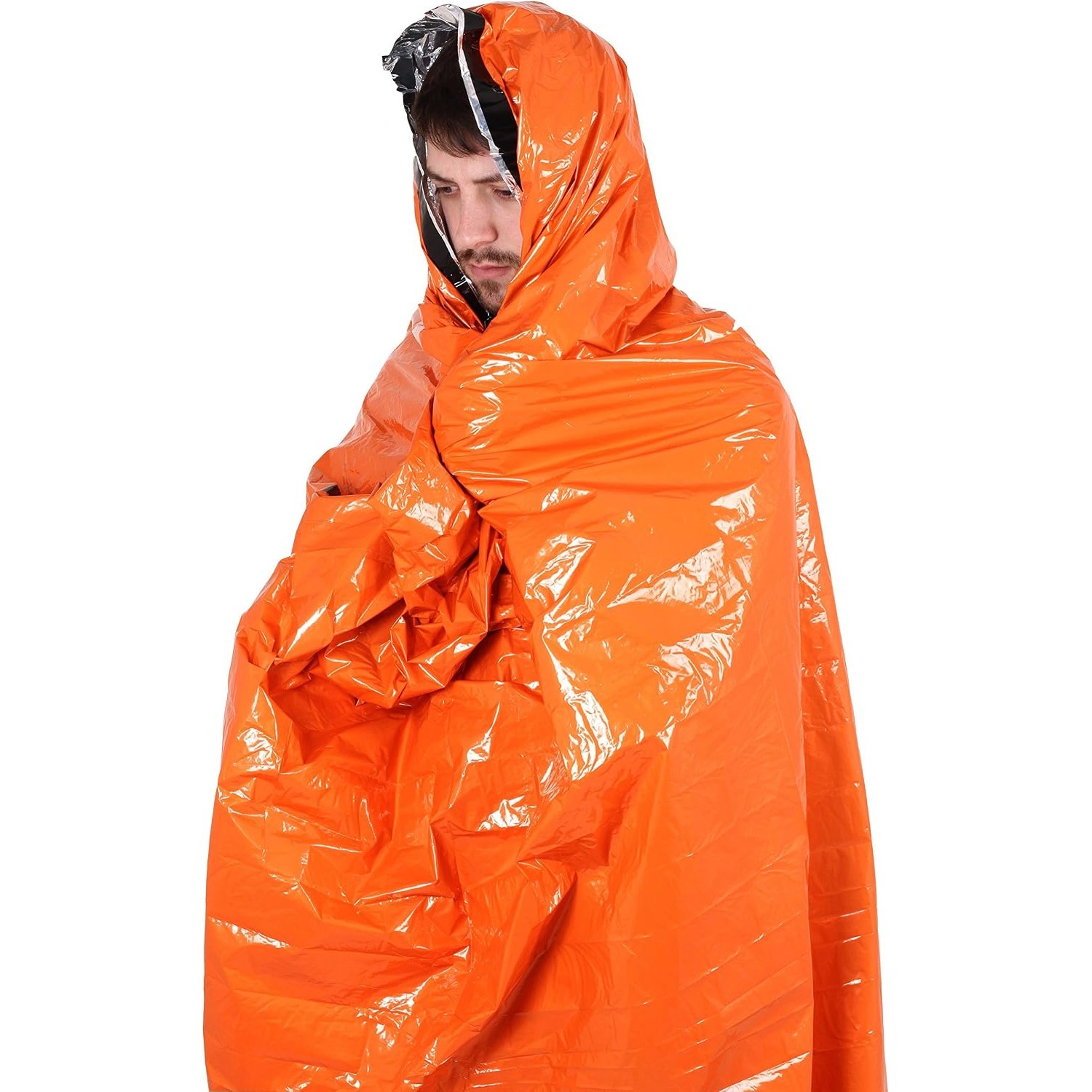
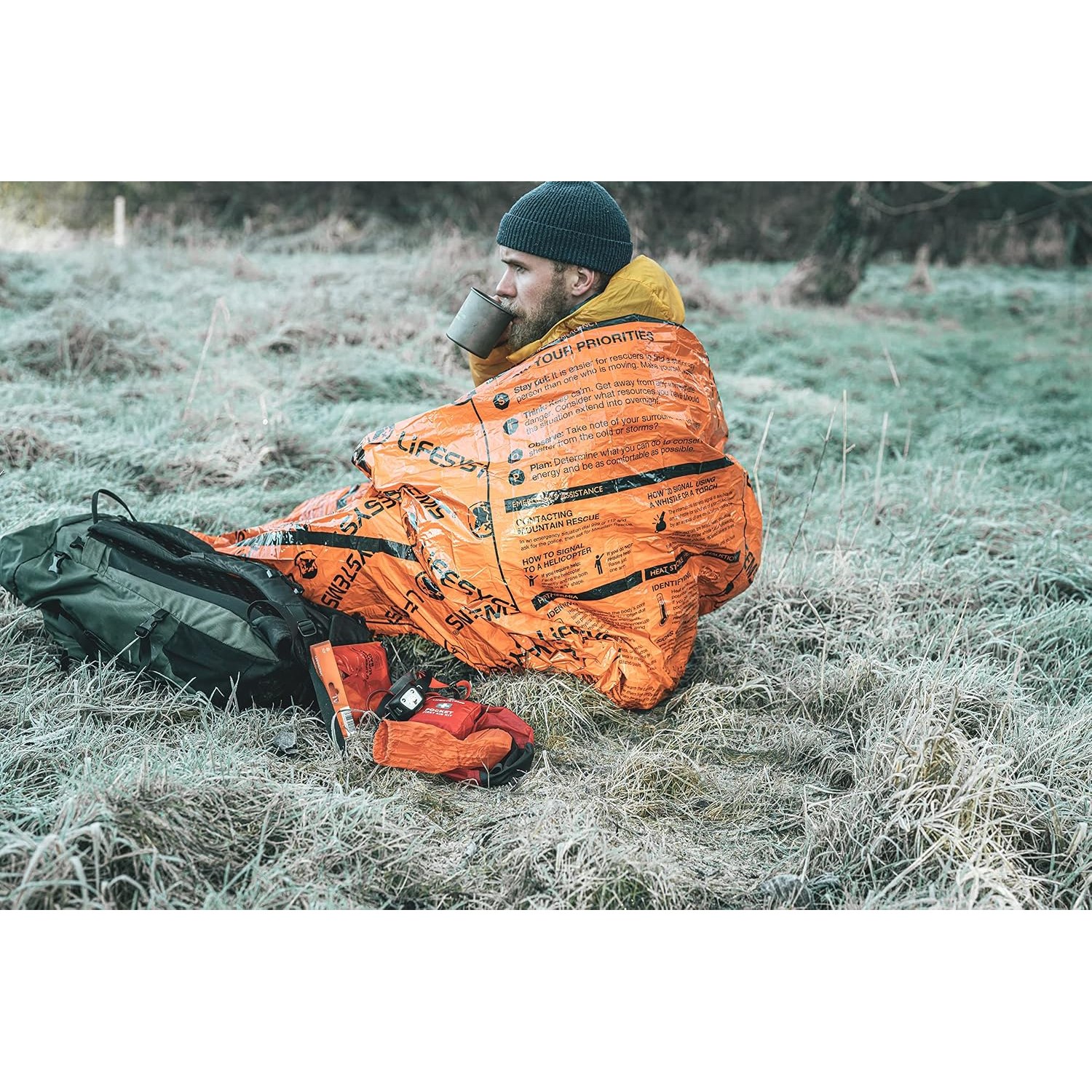
The Lifesystems Heatshield Thermal Bag is a reflective thermal survival bag. Its stated role is temporary emergency cover. It is not an insulated sleeping bag or a tent, and it should not be used as a reason to leave either behind when your plans call for them.
That is the starting point for this buying guide. Think about the gap in your current kit, then decide whether this kind of cover addresses it. The aim is a sensible addition, not a single item expected to do every job.
What this thermal bag is designed to do
The bag has a reflective thermal design and is intended for temporary use in an emergency. Those are the confirmed features. There is no stated temperature rating, so you cannot match it to a forecast in the same way you might compare rated sleeping equipment.
Reflective does not mean insulated. A thermal survival bag and an insulated sleeping bag belong in different parts of your planning. Likewise, a bag described under compact shelter is not automatically a substitute for a tent.
Keep those distinctions in mind when comparing products. Similar names can hide different purposes. Look first at the intended use, then at confirmed performance information. Where a detail is missing, leave it as an open question instead of filling the gap with an assumption.
Important limits before you buy
Keep your face and airway uncovered whenever you use the bag. This is a clear use limit, not an optional comfort tip. Read any instructions supplied with the product before you need to use it.
There is no stated fire resistance. Keep the bag away from flames and sources of heat. Do not assume that outdoor emergency equipment is safe near a stove or fire simply because it is intended for use outside.
The bag also carries no prevention or treatment guarantee, medical cure or guarantee of rescue. Emergency cover is one part of planning. It does not replace communication arrangements, route decisions or appropriate help when needed.
These limits matter as much as the headline description. A useful purchase is one whose role you understand before packing it.
Water safety is a separate task
It does not purify water or make untreated water safe to drink. The words thermal, survival and emergency do not indicate any drinking water capability.
Plan your drinking water separately. Do not treat a survival kit bag as a general solution for every need within the kit.
This distinction is worth making when buying a gift, too. The recipient should know what each item is for. A bag for temporary cover has a specific role, while safe drinking water requires its own arrangements.
Who might consider this bag?
Someone checking an outdoor emergency kit may find that temporary cover is a missing category. In that case, the Lifesystems Heatshield bag is a product to consider. The decision should still depend on the outing, the rest of the equipment and any fit requirements.
For a walking emergency kit, start by asking what you already carry and why. Are you buying planned sleeping equipment, or adding a separate emergency provision? If you need the first, this bag is not the replacement.
The same thinking applies to a hiking emergency shelter search. Search terms are useful for finding options, but they are not specifications. Read the product's actual role before deciding that it fits the trip.
No child-specific suitability or person capacity is specified here. If either matters, get confirmed information before making your choice.
Check fit rather than guessing
Dimensions are not specified for this bag. That means you cannot confirm its fit from this page alone. If your height, clothing or intended use makes sizing important, ask for measurements before ordering.
Do not infer capacity from the word bag. There is no stated number of people it accommodates. For group planning, choose equipment using confirmed capacity rather than expecting everyone to share an item of unknown size.
Weight is also not specified. If you are balancing a pack against a strict weight target, keep that detail unresolved until you have a reliable figure.
This may feel slower than making a quick choice, but it avoids buying on assumptions. The right emergency bag for walkers must suit the person carrying it as well as the job it is meant to do.
Compare confirmed details, not implied promises
When comparing a reflective survival bag with other options, begin with its intended role. Then check whether the details you need are actually stated. Size, weight and material may all affect your choice, but they are not supplied here.
Waterproof and windproof performance are also not specified. Do not turn the phrase temporary emergency shelter into either claim. If you need a particular level of weather protection, look for confirmed information that answers that need.
The material, colour and country of origin are unspecified too. A reflective description does not identify a material or promise a particular colour.
You do not need every possible specification for every purchase. You do need the ones that matter to your decision. Write down your non-negotiable requirements, then check them against what is known.
Put it in the context of your whole kit
An emergency cover purchase makes more sense when viewed alongside the equipment you already own. Start with your planned clothing and shelter. Then consider where temporary cover belongs without asking it to replace those essentials.
Keep drinking water and communication arrangements in separate parts of the plan. No single product should quietly take on jobs that its description does not support. This bag does not guarantee rescue, treat illness or make water drinkable.
Think about access as well. Packing an item is only useful if you know where it is and understand its instructions. Read them before your outing rather than leaving your first look until circumstances are difficult.
If someone else shares responsibility for the kit, explain the bag's role to them. A shared understanding is more useful than a familiar-looking product name.
Care, inspection and storage
Follow any care instructions supplied with the bag. A specific washing method is not stated here, so do not assume it can go into a washing machine or tolerate a particular cleaning product.
Inspect it before packing and before use. If you find damage, do not rely on it without checking the supplied guidance. A reuse rating and service life are not specified, so there is no basis for promising a set number of outings.
Allow the bag to dry before storing it, and keep it away from flames and heat. Make checking its condition part of your wider kit check rather than treating stored equipment as ready indefinitely.
The goal is simple. Know what you have packed, know its condition, and follow the instructions that come with it.
Buying one as a gift
A thermal emergency cover may be worth considering for someone who is reviewing their outdoor kit. Before buying, ask whether they already have temporary cover and whether they have a particular size or performance requirement.
Avoid presenting it as everything they need for an emergency. Explain that it is a reflective thermal survival bag, not a tent or insulated sleeping bag. That keeps the gift useful without giving it promises it cannot support.
Timing also matters. Estimated delivery is 1–2 weeks from ordering, so leave room for that estimate if the gift is linked to a trip or occasion.
If fit or suitability is uncertain, check the cancellation and returns policy before ordering. It is better to understand the process in advance.
Delivery and purchase planning
Estimated delivery is 1–2 weeks from ordering. Use that estimate when deciding whether this purchase fits your plans, particularly if you have a fixed departure date. Do not plan around an assumed faster arrival.
Delivery costs £19. It is free on goods totals of £75 or more after discounts. Compare the full order total, including delivery where applicable, rather than looking only at the item price.
There are 14-day cancellation rights subject to the cancellation and returns policy. Check the policy for conditions and the process if the bag turns out not to suit your needs. No warranty is specified here.
The short version
Choose the Lifesystems Heatshield Thermal Bag for its stated role as reflective temporary emergency cover. Do not choose it as an insulated sleeping bag, a tent or a product with a confirmed temperature rating.
Keep your face and airway uncovered, keep it away from flames and heat, and arrange drinking water separately. Check any missing fit details before buying. A clear understanding of these limits is the soundest basis for deciding whether it belongs in your kit.