
The complete guide
Choosing an Emergency Bivvy Bag for Backup Outdoor Cover
An outdoor trip does not always finish on schedule. A slower pace, a wrong turn or an unexpected wait can leave you stopped for longer than planned. Temporary cover is one part of preparing for that possibility, alongside suitable clothing, route planning and a way to call for help.
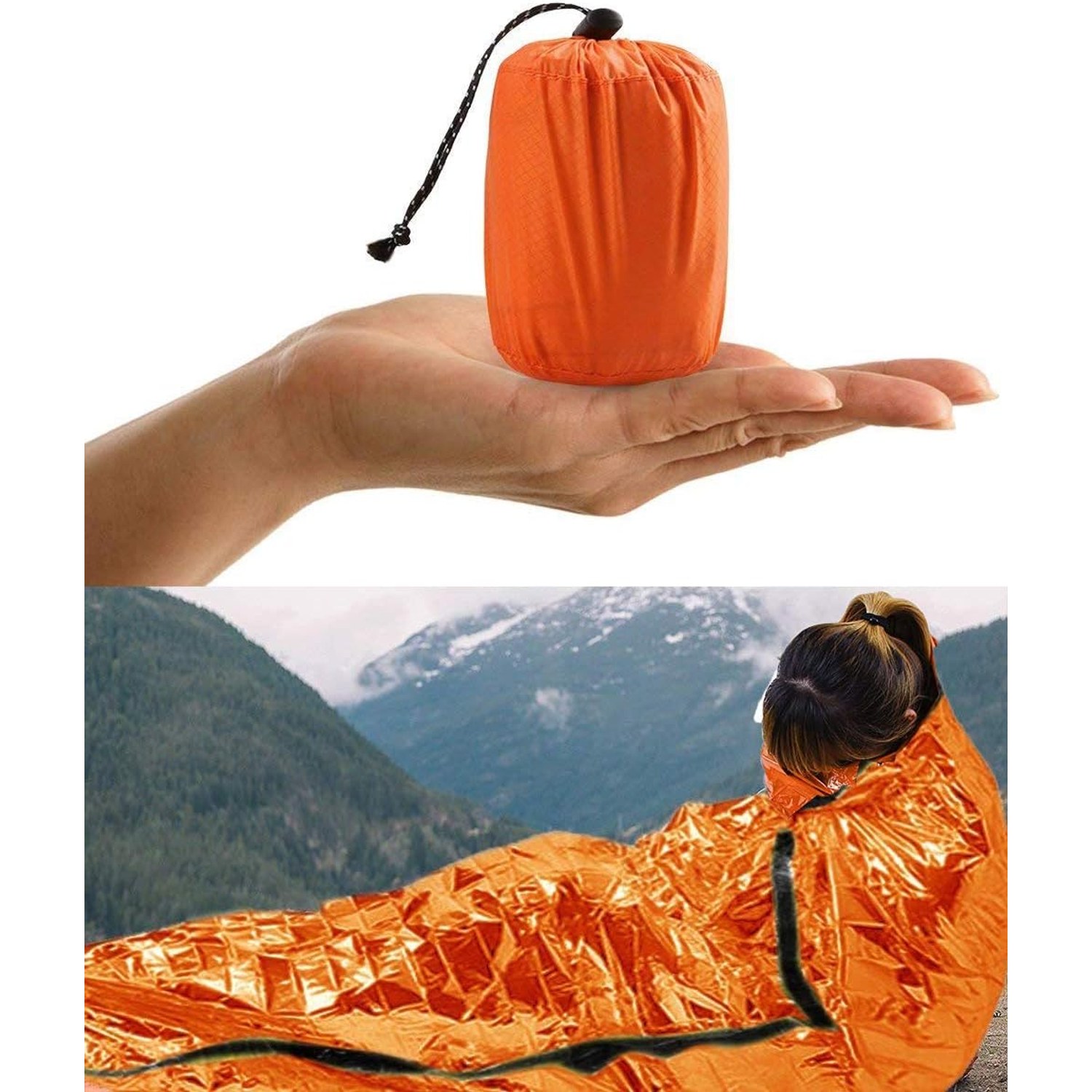
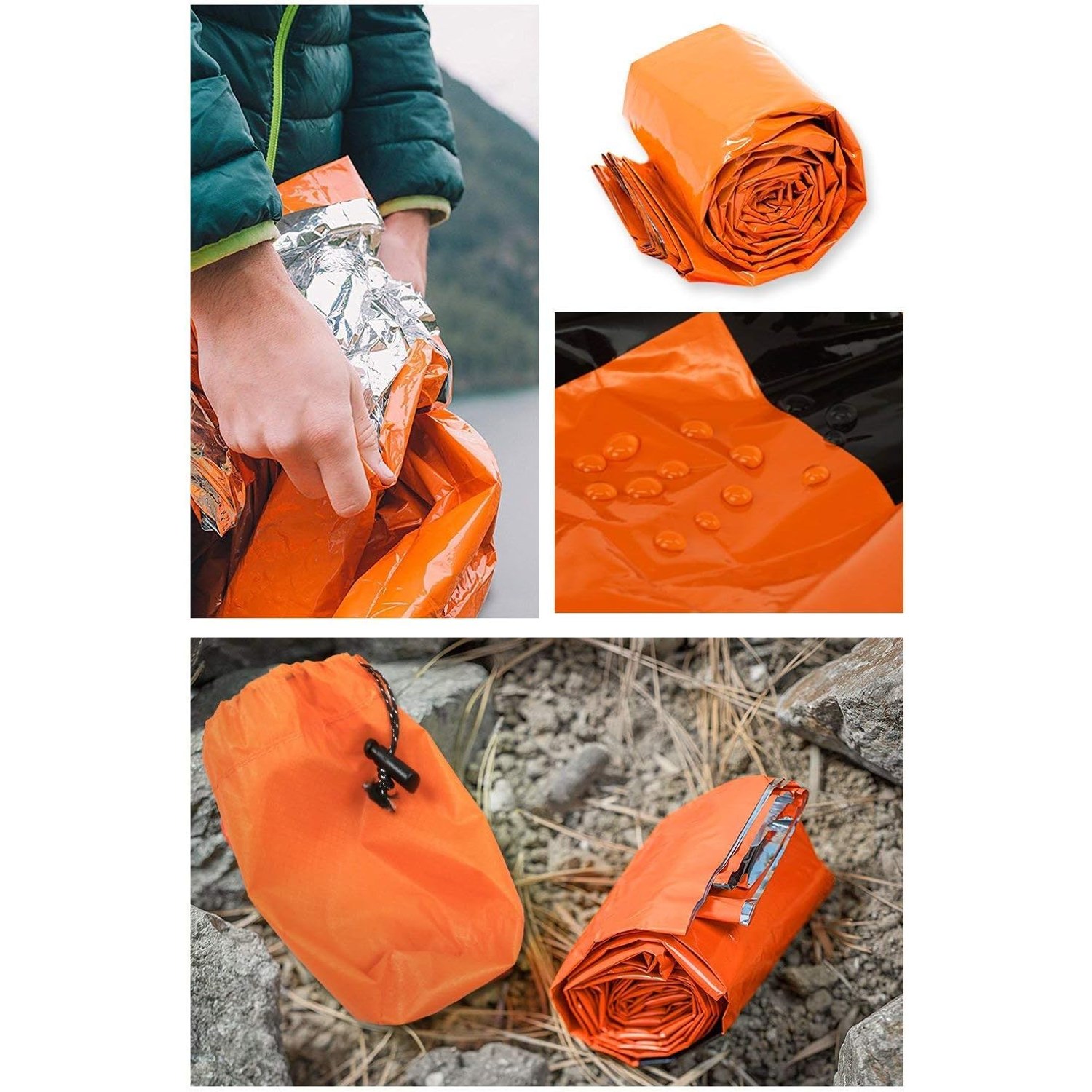
The HONYAO Emergency Bivvy Bag has a specific role. It is a lightweight reflective bag for temporary emergency cover. It is not an insulated sleeping bag or a tent, and no temperature rating is specified. Those limits matter more than the word “survival” in a search result.
Drinking water needs its own plan, separate from any choice of outdoor emergency shelter.
Start with the job you need it to do
Before choosing a bivvy bag, decide whether you need backup cover or equipment for a planned night outdoors. They are different purchases.
For a planned overnight stay, you need sleeping and shelter equipment suited to the conditions. This bag is not a substitute for either. Its stated purpose is temporary emergency cover, so it belongs in the backup part of your planning.
That distinction helps you compare products fairly. A small emergency item may appeal because it sounds easier to carry than a full sleep system. But ease of carrying does not tell you whether it will meet your needs during a long stop.
Think about your route, likely weather and how far you will be from help. Then decide what equipment those conditions call for. The product should fit the plan, not set its limits.
What the reflective design means
This HONYAO bivvy bag is described as reflective. Reflective surfaces can reflect radiant heat, which is different from the way a thick layer of insulation works.
There is no measured heat-retention performance or temperature rating specified for this product. You therefore cannot use the description to work out a safe lower temperature or a guaranteed period of protection. Avoid reading a precise performance promise into the term “thermal shelter”.
The same care applies to “lightweight”. It is an approved description, but the exact weight is not given. If you count every gram in your pack, you will need that figure before making a final choice.
A reflective emergency bag should also not be confused with a guaranteed signalling device. Reflectivity does not promise that someone will see you or that rescue will follow.
Know the limits before you pack
Keep your face and airway uncovered whenever using this bag. That is a basic use limit, not an optional comfort preference. Do not arrange temporary cover so that it closes over them.
No fire resistance is stated. Keep the bag away from flames and other heat sources rather than trying to combine it with direct heat.
The available details also do not establish waterproof, windproof or breathable performance. That does not tell you how the bag performs in every situation. It means those properties are not confirmed, so they should not be assumptions in your plan.
There is no prevention or treatment guarantee, and this is not a medical product. Buying an emergency cover cannot remove the need to make careful decisions about weather, exposure and when to turn back.
Who might consider this bag?
Someone putting together a walking safety kit may want a separate item for temporary cover. This product is worth considering for that limited purpose, provided its unknown specifications do not conflict with the intended use.
An emergency bivvy bag for walking should be assessed in the context of the whole outing. A short route near shelter and a remote route with a long journey back pose different planning questions. The same piece of equipment does not make those trips equal.
It may also interest someone reviewing an existing hiking emergency kit. Perhaps the kit already covers lighting, communication and drinking water, but temporary cover has not been considered.
That still does not make this bag a complete emergency system. It is one item with a narrow stated role. Your other equipment and decisions remain important.
Check fit and packed size
The dimensions are not specified. Neither is the intended capacity. Do not assume that the bag will fit every adult, accommodate bulky clothing or hold two people.
Fit matters because emergency equipment must work for the person carrying it. If you need a particular length or width, ask for those measurements before ordering. A familiar product name is not enough to confirm them.
Packed size is also unknown. Check it if you are choosing an emergency shelter bag for a small daypack or a tightly packed kit.
Once you have the item, familiarise yourself with its supplied instructions and how it fits into your equipment. An unexpected stop is a poor time to discover that you have misunderstood the opening or cannot reach the bag easily.
Compare confirmed details, not assumptions
It is easy to compare emergency bags by appearance or by broad claims in product names. A better approach is to separate confirmed facts from unanswered questions.
For this bag, the confirmed description is short. It is HONYAO branded, lightweight, reflective and intended for temporary emergency cover. The exact material, colour, weight and dimensions are not specified.
Other unanswered questions include tested weather performance and reuse expectations. If one of those points is essential to your trip, get a clear answer before relying on the product.
This approach also helps when looking for the best emergency cover for your needs. “Best” should mean a good match for your route, fit and required performance, not simply the strongest wording on a page.
Keep water planning separate
A thermal emergency cover has no stated role in treating drinking water.
Carrying cover and arranging drinking water solve separate problems.
Before leaving, consider how much drinking water your outing requires and what you will do if the trip takes longer than expected.
The point is simple. A kit can contain useful items while still having gaps. Adding temporary emergency cover does not fill every other gap in the plan.
Make it easy to find
Backup equipment is more useful when you know where it is. Choose an accessible place in your pack rather than letting the bag settle beneath everything else.
Keep its purpose clear to anyone sharing your equipment. If another person may need to find it, show them where it is stored and explain that it is temporary cover, not a sleeping bag.
Review your kit before a trip rather than assuming that something packed months ago is still present and in suitable condition. Check for visible damage and make sure any supplied instructions remain available.
This is also a good moment to reconsider the route and forecast. Equipment checks should support trip planning, not replace it.
Care without guessing at the material
Because the material is not specified, avoid making up a washing routine. Follow the care instructions supplied with the actual product.
As a general habit, check for visible damage before use and let damp cover dry before putting it away. Keep it away from flames and heat sources.
A reuse rating is not provided. Do not assume that a bag remains suitable simply because it can be folded and packed again. Its condition and the supplied instructions should guide that decision.
If damage or uncertainty leaves you unsure about its suitability, resolve that before the next outing. Backup cover is not something you want to assess for the first time when you need it.
Buying it as a gift
An emergency kit gift can be thoughtful when it matches the recipient's activities. Ask what they already carry and whether temporary backup cover is something they want.
Avoid presenting this bag as complete protection or as a replacement for larger equipment. Include the key limits in the conversation, especially the absence of a temperature rating and the need to keep the face and airway uncovered.
Fit is another reason to ask first. With no dimensions listed, you cannot confirm suitability from the product name alone.
A useful gift supports someone's existing planning. It should not encourage them to take on a trip that their skills or other equipment do not support.
Allow time for delivery and checks
Estimated delivery is 1–2 weeks from ordering. Leave enough time before a trip to receive the product, read its instructions and check whether it meets your needs.
Delivery costs £19, with free delivery on goods totals of £75 or more after discounts. Compare the total cost of your order rather than looking only at the item price.
A 14-day cancellation right applies subject to the store policy. Read that policy for the process and conditions if you decide the bag is not suitable. No warranty is specified here, so do not assume an additional warranty term.
The short version
The HONYAO Emergency Bivvy Bag is lightweight reflective cover for temporary emergencies.
Check the missing size and performance details if they matter to your plans. Keep your face and airway uncovered, follow the supplied instructions and carry the other equipment your outing needs. Choose it for its limited backup role, with a clear view of what it does not replace.